For centuries, there are certain stereotypes which have been attributed to the way in which a woman is expected to dress. As they resemble feminine qualities, skirts and dresses are amongst those particular garments which fall under ‘girlish’ apparel. The release of the ‘pant-suit’ was set to challenge such stereotypes and allow women to explore new horizons in the world of fashion.
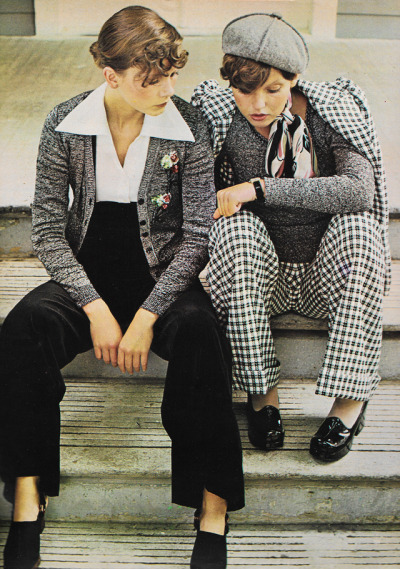
Prior to the 1920s, it was once illegal for women to wear pants.
The reason for this particular act to be considered ‘criminal’, was the fact that pants were not considered the traditional form of dress for women.
Trousers would align with male choice in garb, while dresses were identifiable to females. In society, it was unnatural for women to dress like men, and vice versa.
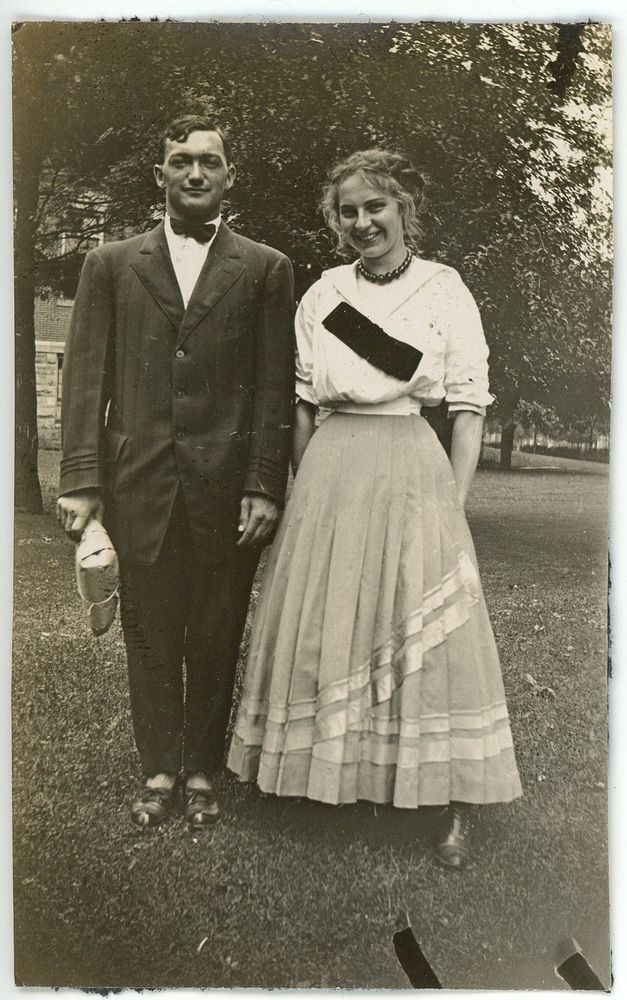
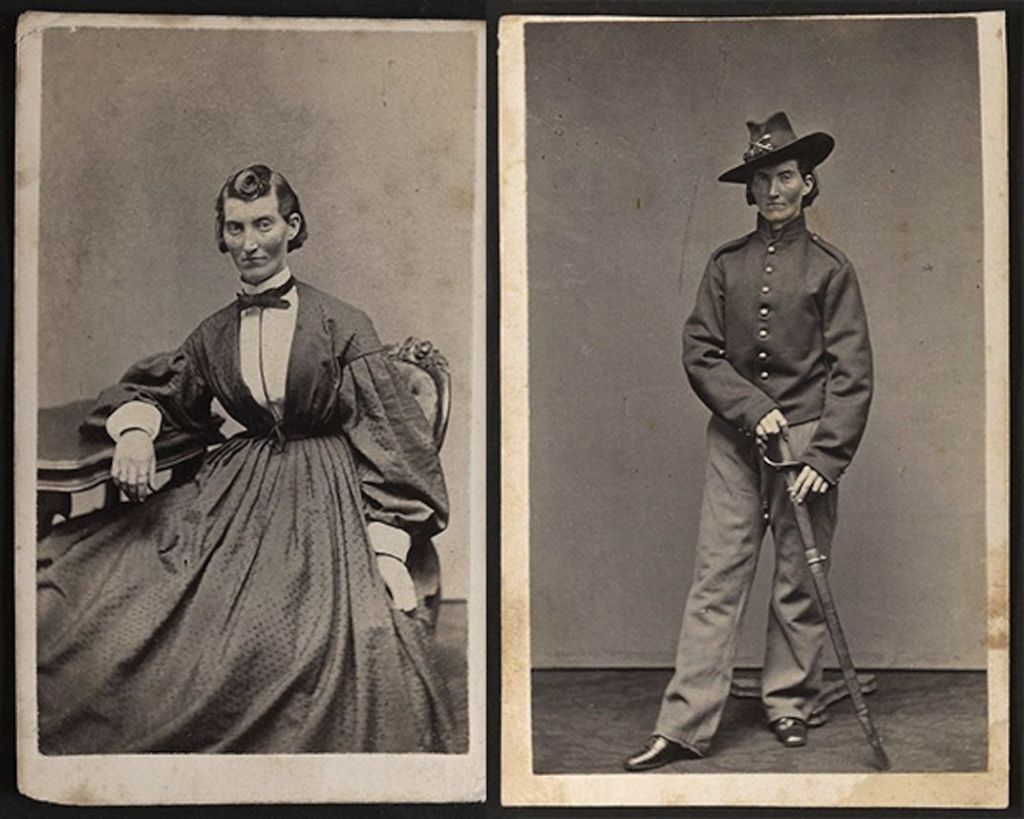
The emergence of women sporting the ‘pant’ began with military activities. In order to join the army, women would often disguise themselves as men with the adoption of a masculine wardrobe. Years later, these women would reveal their true identities.
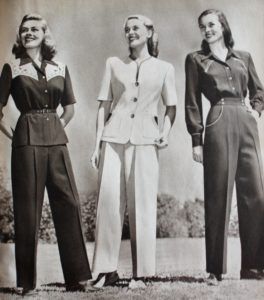
The ‘Pant-Suit’ began to take off during the period of World War II, 1939-1945.
With a global war requiring the aid of several nations, men were drafted into the military, leaving a vacancy for various jobs.
As women were not expected to take part in the war, they acquired the positions previously filled by men in the workforce.
As a way to fit in or assume a professional stance, women often wore trousers and a blazer to their respective place of work, which soon became the iconic ‘pant-suit.’
By the 1960s and onwards, it no longer struck anyone as unusual for a woman to be seen wearing pants. In fact, it became a prominent subject in television shows, politics, and general reality.
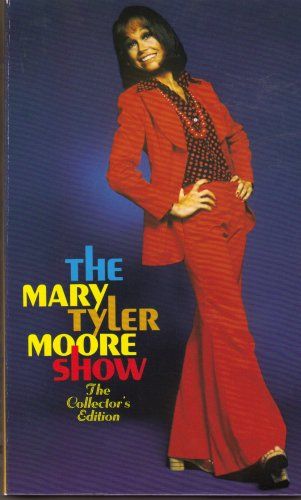
As politics tends to take center stage in both the media as well as day-to-day life, politicians have the power to influence the public with their choice in fashion.
A woman known to do such is former 2016 presidential candidate, Hilary Clinton.
During the period in which she assumed the position of senator, she had said in various interviews that she opted for the pant-suit as it allowed her to feel “professional” and “ready to go.”
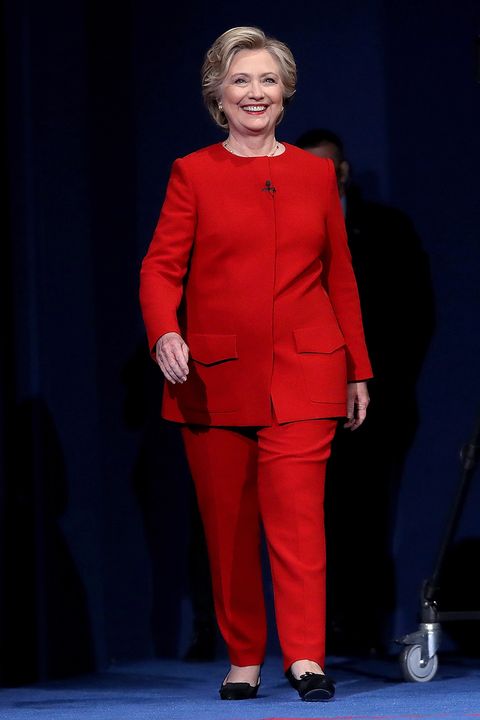
Her staff also adopted the ‘pant-suit’ and her administration soon became known as ‘The Sisterhood of the Traveling Pants”, which was said to be a comical take on the film also known as The Sisterhood of the Traveling Pants.

Clinton’s notorious look also gained popularity at the time of the 2016 presidential election.
Under the influence of the candidate, a Facebook group was formed consisting of 2.9 million people who identified themselves as patrons of the ‘Pant-Suit’ Nation.
In an effort to express their support to Clinton and overall women empowerment, citizens wore the pant-suit to the candidate’s rallies.
The ensemble eventually served as a symbol of Clinton’s campaign, so much so that when casting their votes for the politician, both men and women were seen once again donning the rather celebrated ‘pant-suit.’

 Street Speaks